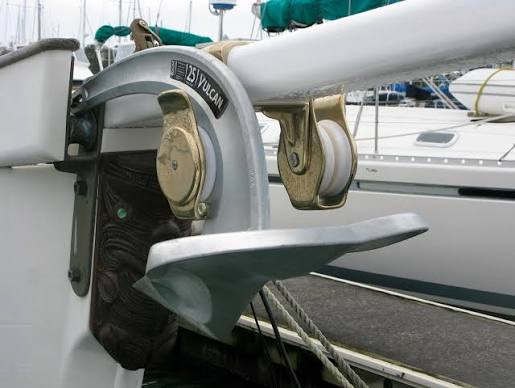
Choosing Between Anchors Rocna and Vulcan for Confident and Secure Boating
When selecting a boat anchor, most boat owners look for three things: fast setting, dependable holding power, and long-term durability. Among today's most respected anchor designs, Anchors Rocna and Vulcan are frequently recommended because they deliver outstanding performance in a wide range of conditions. While they share many similarities, each model has unique features that make it suitable for different boats and boating styles.
Understanding how these anchors work can help you choose the option that best matches your vessel and the waters you explore.
Rocna anchors have earned an excellent reputation among sailors and cruising enthusiasts. Their signature roll-bar design helps the anchor rotate into the correct position as soon as it reaches the seabed. Combined with a large concave fluke, this allows the anchor to set quickly and develop exceptional holding strength.
Rocna anchors are particularly valued by boaters who regularly anchor overnight or spend extended periods cruising because they provide confidence in changing weather conditions.
Vulcan: A Modern Alternative
The Vulcan anchor was developed for boat owners who wanted Rocna-level performance without the roll-bar. Many modern boats have bow rollers or pulpit designs where a roll-bar anchor may not fit properly. Vulcan solves this issue with an innovative shape that self-rights on the seabed while maintaining fast setting and reliable holding power.
Its streamlined profile also allows smoother launching and retrieval on many vessels.
Comparing the Two Designs
Although both anchors are engineered for excellent performance, they serve slightly different needs.
Rocna is often preferred when:
- Maximum holding power is the highest priority.
- The boat easily accommodates a roll-bar anchor.
- Long-distance cruising is common.
Vulcan is an excellent choice when:
- Bow roller space is limited.
- The boat has a bowsprit or platform.
- A compact anchor profile is preferred.
- Easy self-launching is important.
Reliable Performance on Different Seabeds
Both anchor designs perform well across many common seabed conditions, making them versatile options for recreational boating.
Typical bottom types include:
- Sand
- Mud
- Clay
- Gravel
- Mixed seabeds
Their carefully engineered fluke shapes allow them to penetrate the bottom efficiently, creating a secure hold with minimal dragging.
Selecting the Correct Size
Even the best anchor will not perform as expected if it is too small for the boat. Before making a selection, consider:
- Boat length
- Fully loaded weight
- Typical weather conditions
- Water depth
- Cruising area
Choosing the correct size helps maximize both safety and holding performance.
Getting the Best Results
Proper anchoring technique is just as important as choosing a quality anchor.
To improve performance:
- Lower the anchor steadily instead of dropping it.
- Pay out sufficient anchor rode.
- Allow the anchor to dig into the seabed before applying full load.
- Check that the boat remains stationary after setting.
- Inspect the anchor after retrieval for mud, weeds, or damage.
These simple habits improve reliability and reduce unnecessary wear on your equipment.
Long-Term Care
Routine maintenance helps keep both Rocna and Vulcan anchors in excellent condition. Rinse away saltwater after each outing, inspect welds and shackles, and replace worn components before they become a safety concern.
Proper care not only extends the lifespan of the anchor but also ensures dependable performance whenever you need it.
Final Thoughts
Whether you choose Anchors Rocna and Vulcan, both designs offer exceptional quality and dependable performance for modern boaters. Rocna remains a favorite for those seeking maximum holding power with its proven roll-bar design, while Vulcan provides similar reliability in a compact profile that fits a wider variety of boats. By selecting the right size and following good anchoring practices, you can enjoy greater confidence and safety every time you head out on the water.